Sports
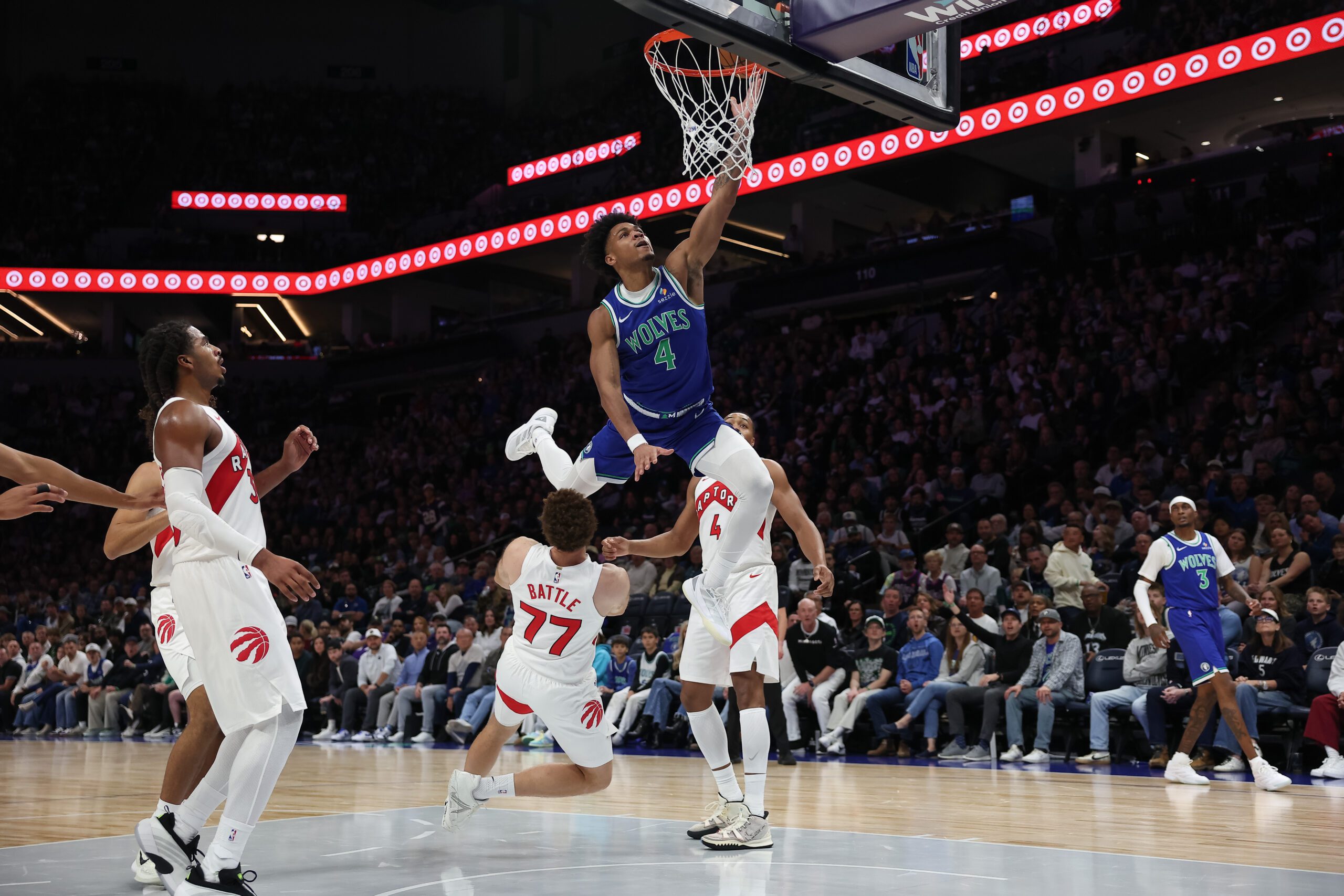
Timberwolves stay unbeaten with 117-94 win over Raptors in home opener
By Marcus Chen
KSTP 5
Advertisement
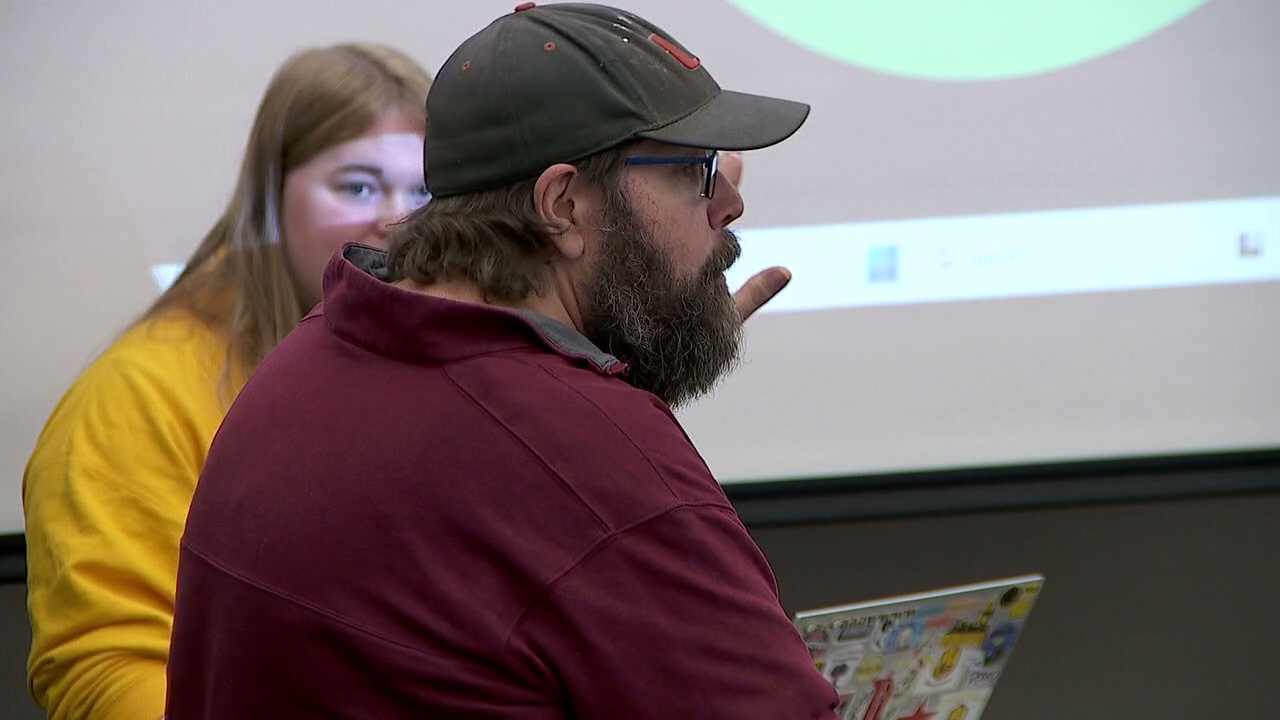
How to handle political fights with family As political debates heat up ahead of Election Day, a University of Minnesota debate coach shares advice for watching candidates and navigating political disagreements with friends and family. The Brief Political debates happening locally and across the country, how do we know who wins and who losses?Dr. David Cram Helwich shares tips for "casual debates" among family, friends, or colleagues.Helwich said viewers should watch, listen and decide for themselves instead of leaning on campaign spin or social media reaction. (FOX 9) - Each year when the University of Minnesota and University of Iowa football teams face off, so do their debate teams. Dr. David Cram Helwich, has coached the U of M Forensic team for nearly two decades. "We've qualified for the last 18 debate equivalents of March Madness," said Helwich. University of Minnesota debate team Local perspective: Helwich has also coached various candidates ahead of political debates. He points out the format has not changed much since the first televised debate between Richard Nixon and John F. Kennedy in the 1960 election. He said campaign teams negotiated details ahead of time, from standing or sitting to whether the candidates could look at one another. "A lot of scholars, and I put myself in this category, describe the model that came out of that as a dueling press conference, right? They're not asking questions back and forth. They are responsive in some ways, but they're primarily focused on trying to relay their message to the audience members, and that's become the template that we use in virtually all of our political debates in the United States through this day," said Helwich. Why political debates carry risk Big picture view: Helwich said declaring a winner is not really what a debate is about because the answer can depend on who is watching. "In many cases, folks who watch these debates may be familiar with some of the issues that are involved, but they're not experts on them. And when they're casting a judgment at the ballot box in November, they're really saying, this is the person that I best trust to represent my interests and make these difficult decisions on questions that I don't have time necessarily pay attention to," said Helwich. By the numbers: Helwich said campaigns are often focused on scoring whatever political points they can. "A political debate is a really high-risk event," said Helwich. "And so for a candidate who's ahead, there isn't really much to be gained from it. A candidate who is behind often insists on having more debates. We see this in some of our races locally," said Helwich. How to navigate political disagreements What you can do: Helwich said one major change from the first televised debates is that modern technology lets viewers hit replay. He said people should watch and listen for themselves instead of relying on comments on social media and other places. "Two pieces of advice. One, and this would be the same advice I would give to political candidates, is persuasion is about identification. And so, if you want to persuade someone to at least consider your perspective on a particular issue, you need to establish a common basis of what it is that you think is important that aligns with whoever it is you're talking to, right?" said Helwich. "And my second piece of advice, and this would maybe surprise people coming from a debate person, is you need to listen. And by that I mean people have, I think in most cases we should assume that people have good faith reasons for their particular policy positions or political commitments and it helps us to understand why they think the way they do," said Helwich. Dig deeper: Helwich said candidates are advocates for their own side, not necessarily for the viewer. "They're advocates, right? They're advocating for their candidate, but they are not necessarily advocating for your interests. And so I think, approaching debates with an open mind and looking for people who say things that resonate with you, either about what it is that we need to be concerned about as a country or what types of policies we should pursue, I think is really important," said Helwich. ElectionMinnesota
By Marcus Chen
KSTP 5

By Marcus Chen
WFTS ABC Action News Tampa

By Marcus Chen
Twin Cities Business

By Marcus Chen
FOX 9